Ground Markets
Learning how real trade works through local markets, supplier pressure, pricing, urgency, and trust.
Founder Journey
Before building Nikhil Digital Consultancy, Nikhil Singh was a young professional trying to understand how real business works. Not from theory, polished classrooms, or motivational content, but from markets, sales calls, supplier coordination, buyer meetings, industrial products, and the pressure of proving himself early.

Where It Began
Nikhil's early business mindset was shaped by local markets, trade lanes, supplier networks, and practical business environments where deals are built through trust, negotiation, product understanding, pricing, follow-up, and execution.
Markets like Sadar Bazaar, Azad Market, Bawana, and other industrial business environments showed him how buyers think, how suppliers operate, how pricing changes decisions, and how credit, quality, delivery, trust, and communication decide real outcomes.
Before NDC
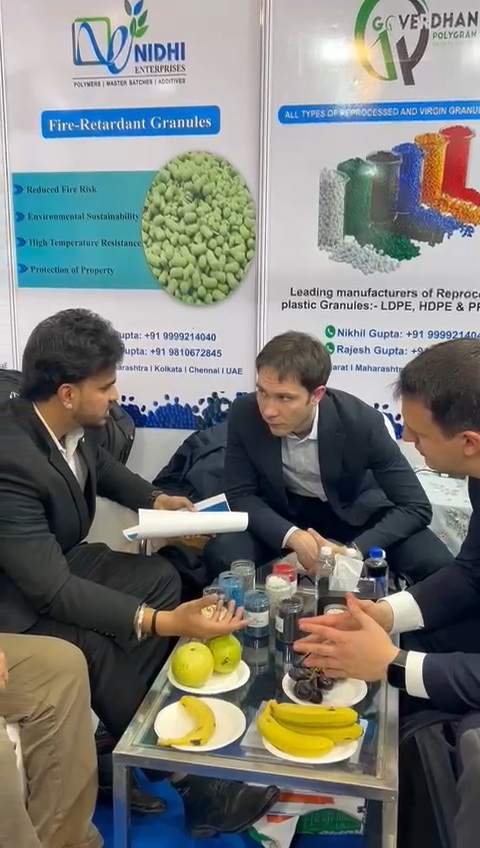
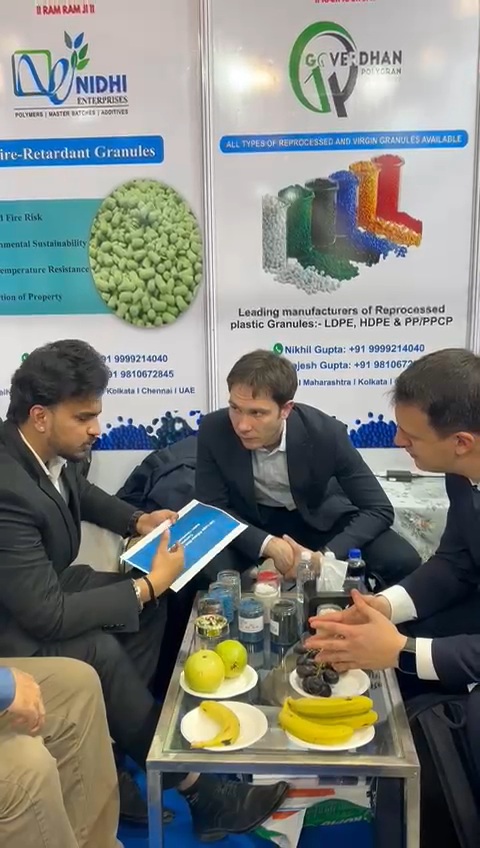
Before Nikhil Digital Consultancy became a founder-led advisory brand, the learning happened in practical business environments: trade discussions, polymer samples, supplier meetings, buyer questions, and product-led conversations where clarity mattered.
The Path
Learning how real trade works through local markets, supplier pressure, pricing, urgency, and trust.
Understanding that business is not only selling a product. It is knowing the full chain behind the product.
Seeing how product application, quality issues, communication gaps, and sourcing clarity affect decisions.
Realizing polymer is not just granules. It supports packaging, agriculture, infrastructure, automotive, recycling, and exports.
Using research systems, LinkedIn, digital presence, AI workflows, and structured follow-up to make B2B growth less random.
Building a polymer-centric consulting practice for clarity, sourcing, buyer communication, export readiness, and growth systems.
The Polymer Gap He Saw
A manufacturer may need consistent material but end up buying from several small sources. One lot behaves differently from another. Color changes, strength changes, melt flow changes, finish changes, flexibility changes, and the final product suffers.
In reprocessed granules, the issue is often not only price. The real issue is consistency: base polymer variation, moisture, filler level, contamination, ash content, color variation, and processing behavior can change from batch to batch. The machine tells the truth when the material reaches production.
The Virgin Polymer Challenge
In virgin polymers, many decisions are still made only by brand name, price, or availability. But a wrong grade can create serious processing and product issues. A raffia grade cannot be treated like an injection moulding grade. An HDPE grade suitable for blow moulding may not be right for pipe, sheet, injection moulding, or other applications.
Nikhil saw that polymer businesses do not only need buying and selling. They need sourcing clarity, grade understanding, supplier discipline, buyer communication, documentation awareness, digital visibility, and structured decision-making.
Industry Exposure
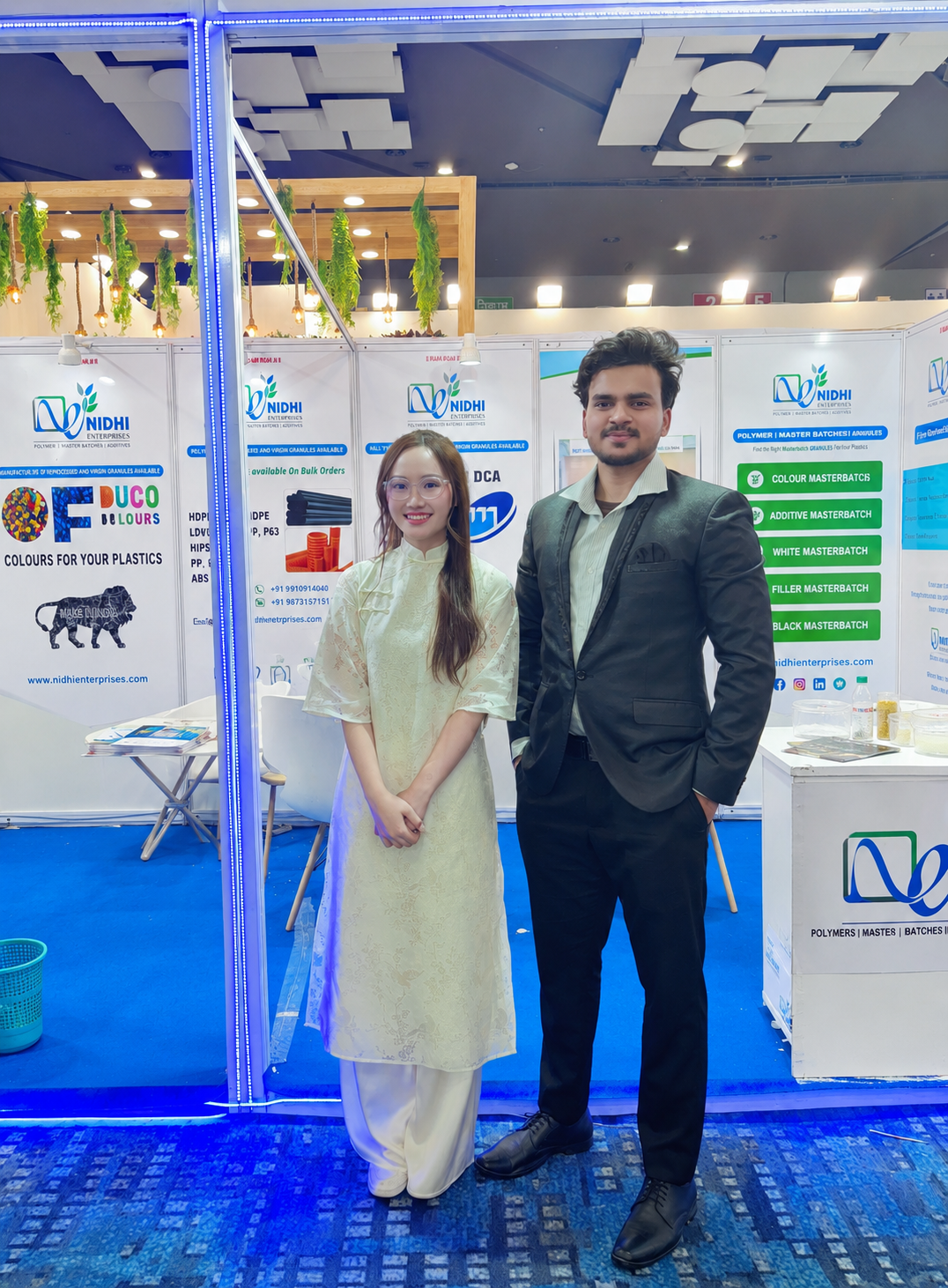
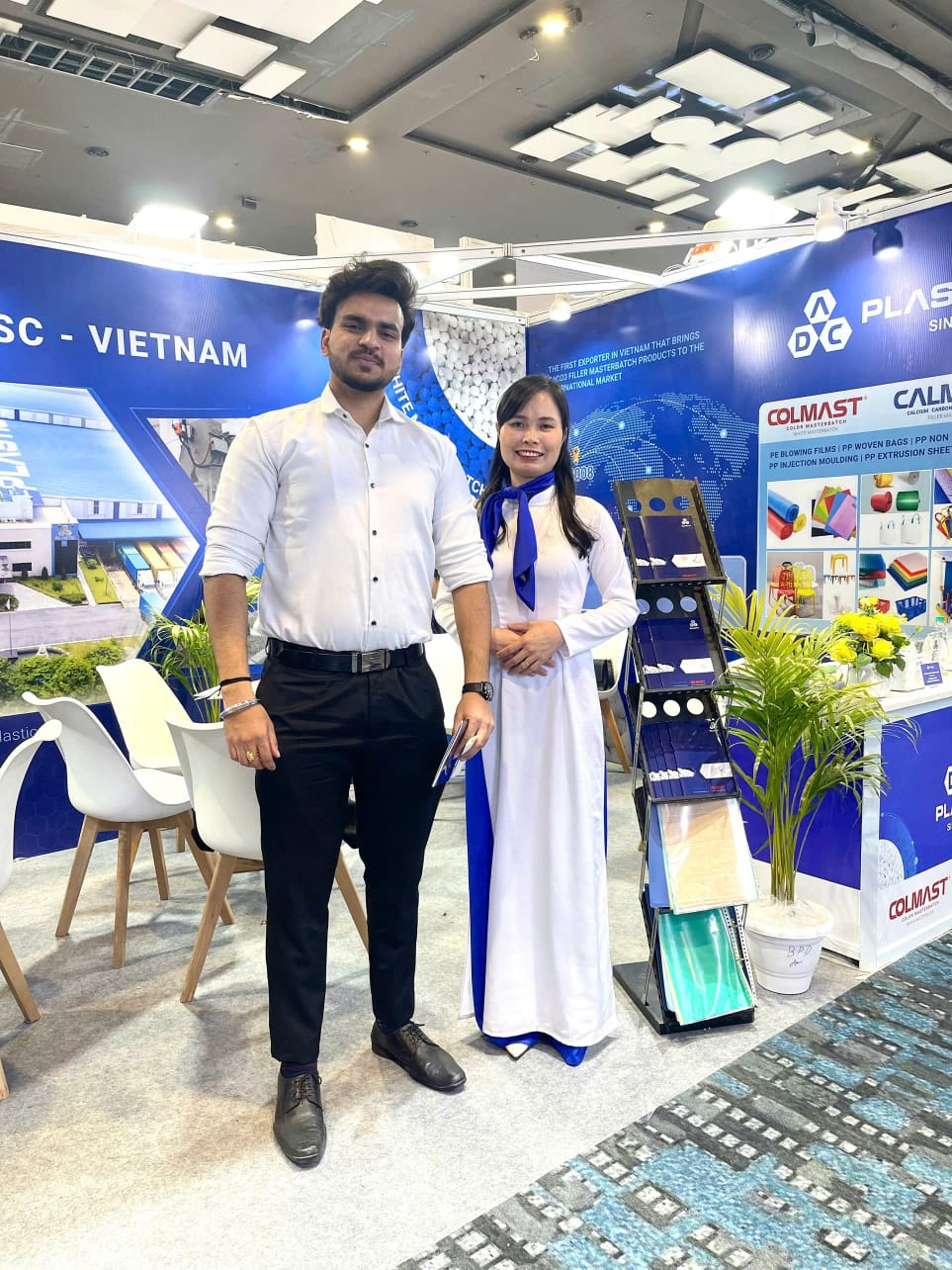
Through professional exposure around polymer and industrial trade, Nikhil observed real discussions, buyer behavior, supplier expectations, product positioning, and market gaps in environments connected to APMA, PlastIndia, PRS, British Plastics Federation, and similar polymer-focused ecosystems.
These experiences made one thing clear: many businesses have potential, but still struggle with unclear positioning, weak digital presence, unstructured follow-up, poor buyer communication, inconsistent sourcing, limited export readiness, and lack of modern systems.
Built For India's Industrial Future
India is a manufacturing nation, a trading nation, and a rising industrial force. From packaging and agriculture to infrastructure, automotive, consumer goods, recycling, and exports, the polymer and plastic sector plays a silent but powerful role in the country's growth.
If Indian polymer and industrial businesses become more professional, visible, structured, and globally prepared, they can create better trade opportunities, stronger supply chains, more employment, better exports, and stronger recognition for Indian industry. For Nikhil, that is nation-building through clarity, systems, execution, trade readiness, digital strength, and growth.
Consulting Philosophy
Without clarity, strategy becomes confusing. Without strategy, execution becomes random. Without execution, even the best idea remains only an idea.
Nikhil's work starts by asking direct questions: What is the product? Who is the buyer? What is the application? Where is the gap? Is it sourcing, pricing, positioning, digital presence, communication, export readiness, follow-up, or trust? Once the real problem is clear, the next step becomes easier.
What NDC Helps With
Responsible Approach
Understand products, grades, strengths, gaps, target buyers, and market readiness before sending messages.
Present polymer products and company capability in a clear, credible way that fits international B2B expectations.
Use AI for research, segmentation, writing support, lead organization, and execution systems without losing human judgment.
For production-critical decisions, verify through datasheets, trials, testing, supplier documents, and qualified technical teams.
Work With Nikhil
Start with a paid polymer strategy consultation. We understand your current situation, identify the real problem, and create a practical next-step direction for sourcing, buyer communication, digital presence, export readiness, or growth.
Book a Polymer Strategy Consultation